Free Quotes from Vetted Local Installers
Answer three short questions and get matched with a Sigenergy Partner Installer covering Birmingham for a free, no obligation quote.
Sigenergy in Birmingham
If you searched for Sigenergy by name, you have already done the research. This page exists so you can skip to the part that matters: the installer you are matched with is a Sigenergy Partner Installer, trained and authorised on the platform, not a general fitter who will look the product up afterwards.
That distinction is worth more on Sigenergy than on most brands. The SigenStor is a stacked system rather than a single box, commissioning is done through Sigenergy's own cloud, and the warranty depends on the unit being registered and connected correctly at handover. Getting that wrong is not a cosmetic problem.
One installer covers Birmingham at any time, and the quote comes directly from them.
The Platform
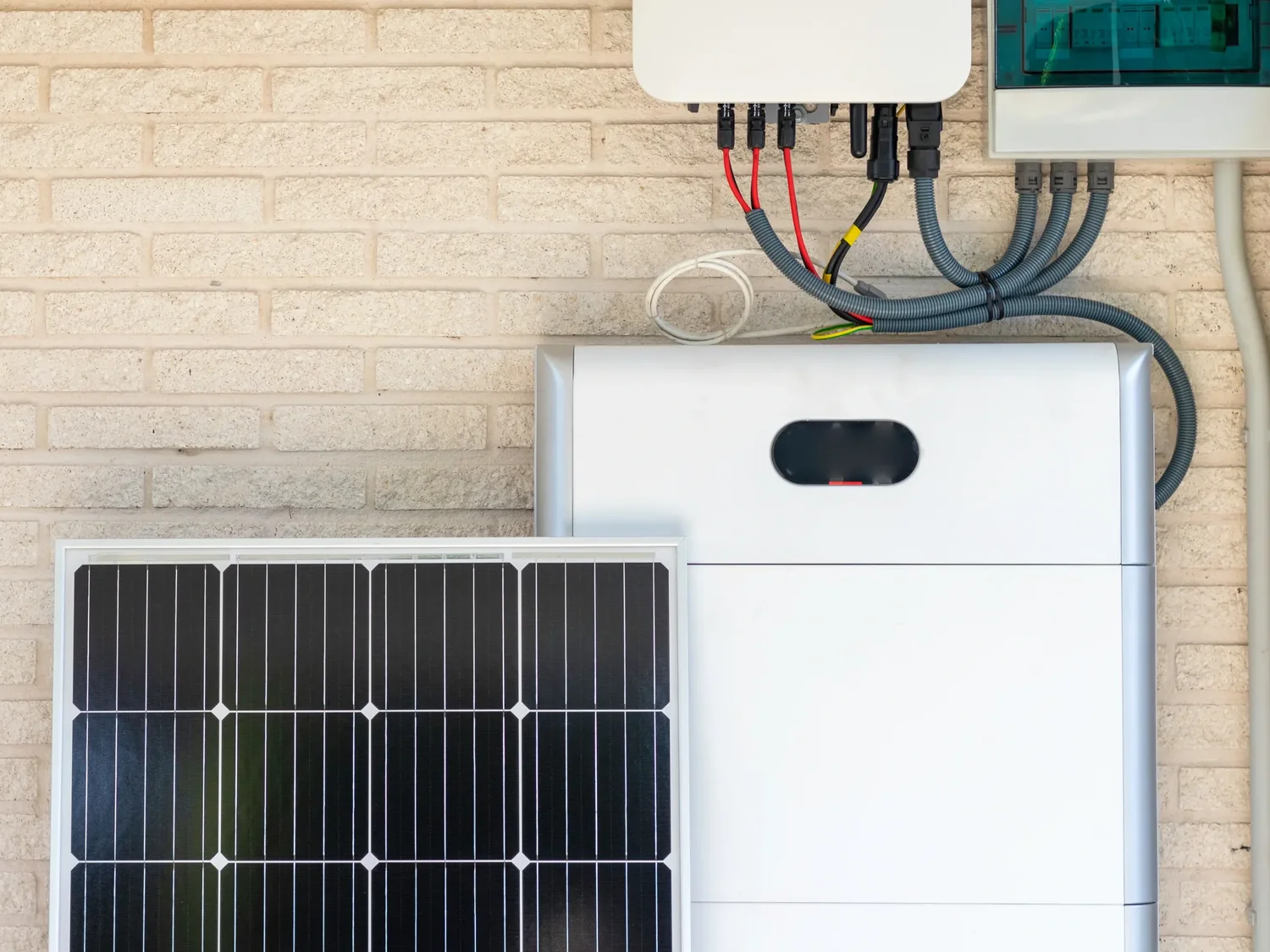
Sigenergy call the SigenStor a 5-in-One system. That is not marketing shorthand for a battery with an app. Five separate products are folded into one stack.
Converts the DC your panels generate into electricity the house can use.
Stackable modules, sized to the property rather than sold as one fixed box.
The power conversion stage that manages charging and discharging.
Sigenergy's AI layer decides when to store, use or export, and adjusts to your tariff.
Optional, bi-directional, rated at 25 kW, charging straight from solar rather than through the house supply.
The modules use guided quick connectors that plug in as they stack, and each pack carries its own DC-DC optimiser. The practical effect of that second point is that modules of different ages, capacities and states of health can run together, so adding storage in three years does not mean matching what you bought today.
Product detail from Sigenergy's published SigenStor pages.
The Difference in Practice
A conventional solar and battery installation is a collection of separate products bolted to the same wall. A hybrid inverter from one manufacturer. A battery cabinet from another. An EV charger from a third. An app for each, and no single system that understands all of them at once.
The SigenStor replaces that with one stack. Fewer units on the wall, fewer points of failure between them, one app, and one manufacturer responsible when something needs attention. For a garage wall or a utility room with limited space, the footprint difference alone decides some installations.
Sigenergy rate the enclosure IP66, so siting is not restricted to indoors.
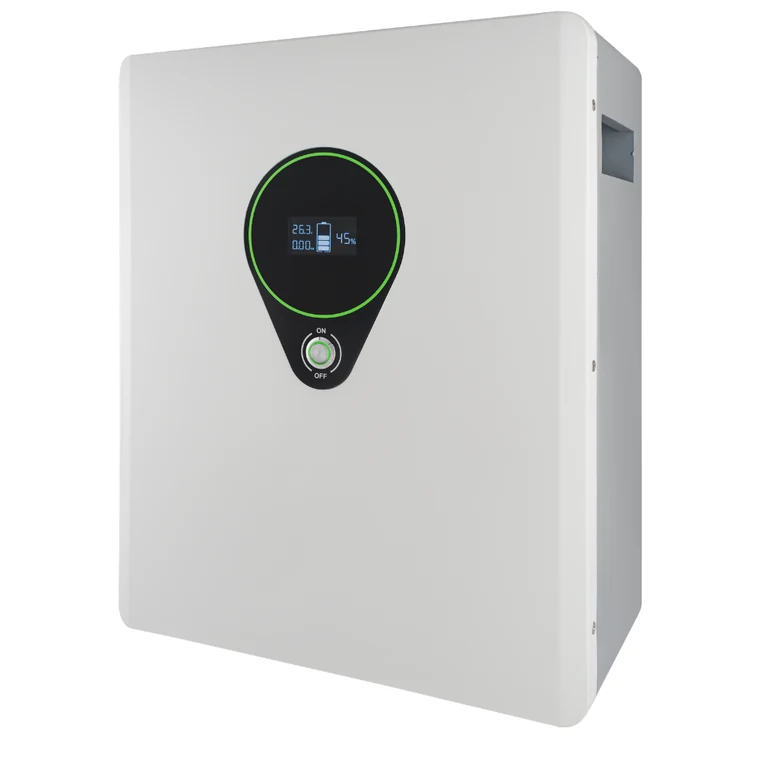
Its own enclosure, its own wiring, its own warranty.
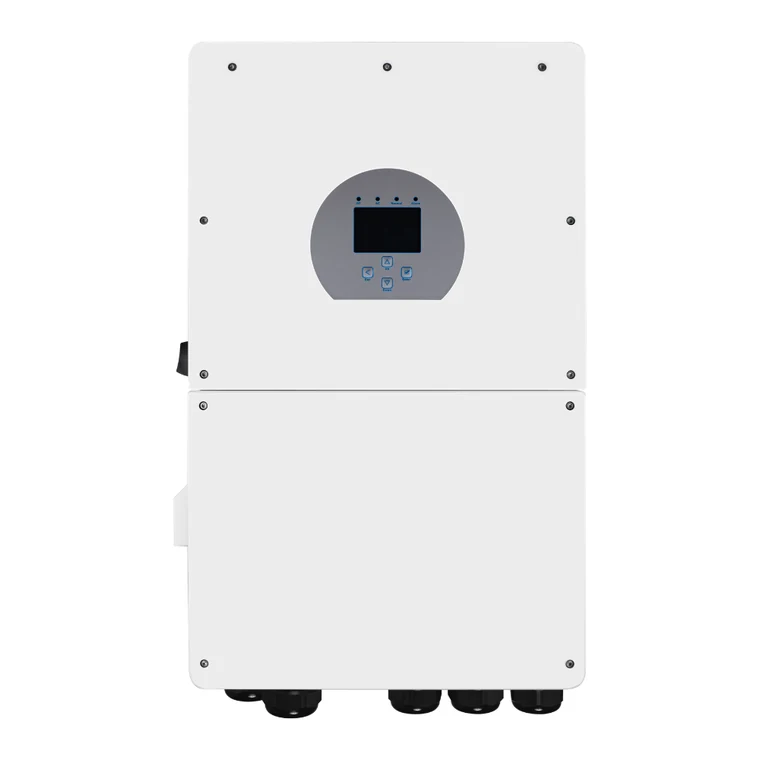
A second unit, a second manufacturer, a second point of contact.
The Numbers
Most home batteries hold back a reserve. A typical system stops discharging at around 20%, so a nominal 10 kWh battery gives you roughly 8 kWh in practice. Sigenergy rate the SigenStor for the full usable capacity.
Sigenergy state the full usable energy capacity is available, rather than a portion held in reserve.
The load side is not interrupted when the grid drops, so nothing in the house resets.
Rated for outdoor siting, which matters when there is no indoor wall to spare.
The cells themselves are 314Ah, which Sigenergy describe as long cycle-life. Capacity is not fixed at purchase: modules are listed at 5.2, 5.84, 7.8 and 8.76 kWh of usable energy, and the stack is configured around the property rather than sold as a single size.
Depth of discharge, switchover, enclosure rating and cell specification from Sigenergy's published SigenStor pages, where 100% depth of discharge is stated as referring to usable energy capacity. Module usable energy figures from Sigenergy's European Factory Limited Warranty schedule. The 20% comparison figure is the typical discharge floor given by Energy Saving Trust and used elsewhere on this site.
Who You Are Matched With
Solar Panels Birmingham is an introduction service, not an installation company. Enquiries are passed to one vetted local installer, and the installation contract is between you and that installer.
Sigenergy Partner Installer status sits on top of the standard checks rather than replacing them. MCS certification still matters most: without it you cannot register for the Smart Export Guarantee, most manufacturer warranties on panels and inverters depend on certified installation, and the certificate is what a buyer's solicitor asks for when you sell.

Before You Commit
Sigenergy warrant the battery modules and the energy controller for ten years. The performance side of that guarantees the battery retains 60% of its usable energy for ten years, or delivers a stated minimum throughput, whichever comes first. Throughput is set per module, from 18.20 MWh on the smallest to 30.66 MWh on the largest.
There is a condition attached, and it is not prominent in most write-ups of the product. The unit has to stay connected to the internet for firmware updates. Disconnected for more than 90 days, it enters what Sigenergy call Safe Operation Mode. Disconnected for more than a year in total, the ten year warranty reduces to five years from the original activation date.
For almost every household this is a non-issue, because the system is connected anyway to run the app and follow tariff pricing. It is worth knowing before you buy rather than after, particularly for a holiday let, an annexe, or anywhere the broadband is not permanent.
One further detail worth knowing if you may move: the warranty transfers to a new owner only while the equipment stays in the property it was installed in.
Terms from Sigenergy's Factory Limited Warranty for SigenStor (Europe).
An Honest Note
This page cannot promise a Sigenergy system will be what you are quoted for, and it would be dishonest to imply otherwise.
Two reasons. Availability moves month to month across every manufacturer, and Sigenergy's own range changes: the SigenStor sits alongside newer models, so even within the brand the right specification is a question for the survey rather than a website. The installer works across the major manufacturers rather than pushing one, and the specification comes from your quote.
The second reason matters more. Your roof, your supply, your usage pattern and whether you have an EV all change which system is right. An installer who tells you when something else suits your property better is worth considerably more than one who sells you whatever you arrived asking for. If Sigenergy is the right answer, that is what you will be quoted. If it is not, you will be told why.

The Cost, 2026
This page does not publish a Sigenergy price, and the reason is not evasion. The system is modular, so the cost follows the number of modules, whether the EV charging module is included, whether panels are going up at the same time and whether the supply is single or three phase. A single figure would be wrong for most people reading it.
The range Energy Saving Trust gives for battery storage installed at the same time as a solar system.
The rate reverts to 5% from 1 April 2027.
Government cost data for domestic installations in the 2025/26 financial year.
Those ranges are for battery storage generally rather than for Sigenergy specifically. A stacked system with more modules or the EV charging module sits above them. The quote is the only figure that will be accurate for your property, and it is free.
Battery and solar cost ranges from Energy Saving Trust and DESNZ solar PV cost data for 2025/26, drawn from the MCS Installation Database. VAT treatment under The Value Added Tax (Installation of Energy-Saving Materials) Order 2024.
The Process
Service, whether you own the property, and your contact details. Around 60 seconds, and no cost.
Your enquiry goes to a single Sigenergy Partner Installer covering Birmingham. Not to a panel of companies.
They survey the property and specify the system around it. You are under no obligation at any point.
Questions
Yes. Your enquiry goes to a Sigenergy Partner Installer, trained and authorised on the platform.
Solar inverter, battery pack, battery power conversion, energy management and an optional EV DC charger, all in one stack rather than four or five separate units on the wall.
Yes. The system is modular, and each battery pack has its own DC-DC optimiser, so modules of different ages and capacities can run together. You are not tied to matching exactly what you buy now.
Ten years on the battery modules and the energy controller, guaranteeing 60% of usable energy retained or a stated minimum throughput, whichever comes first. The unit needs to stay connected to the internet; extended disconnection reduces the cover.
Not necessarily. The installer works across the major manufacturers and specifies around your property, your supply and your usage. If a different system suits you better you will be told why.
For panels on a house, usually not. Battery storage inside a property is not normally a planning matter. Listed buildings and conservation area addresses have their own rules, covered on the areas we cover page.
No. One installer covering your postcode contacts you directly.
Around 60 seconds to complete. No cost, no obligation, and only one local installer will contact you.
Start My Free Quote